More than 80% of abortion vulnerable women choose life after seeing ultrasound
Dr. Jessica Peck: We would like to take a moment to thank our sponsor, PreBorn. When a mother meets her baby on ultrasound and hears their heartbeat, it's a divine connection. And the majority of the time she will choose life. But they can't do it without our help. Preborn needs us, the pro life community, to come alongside them. One ultrasound is just $28. To donate, dial pound 250 and say the keyword baby or visit preborn.com/AFR friend we're living in a defining moment. Today. A woman facing an unexpected pregnancy can order the abortion pill online, often before anyone has the chance to tell her she is loved, that she's not alone, or that there is hope. That's why you are needed right now. You were made for this moment. At PreBorn Network clinics, mothers are welcomed with compassion, practical support and a free ultrasound. And when she sees her baby and hears that tiny heartbeat for the very first time, fear often gives way to hope. In fact, more than 80% of abortion vulnerable women choose life after seeing their baby on an ultrasound at a PreBorn Network clinic. That one moment can save a baby's life and open a mother's heart to the hope of Jesus Christ. This is our moment to stand. For those who cannot speak for themselves. Just $28 provides one life saving ultrasound. $140 helps rescue five babies. Please don't wait. Dial pound 250 and say the keyword baby. Baby. That's pound 250 baby. If you're a business owner, would you consider a larger donation to claim a write off? Your best gift would be appreciated. A stand alone gift of $15,000 will sponsor an ultrasound machine for a needy clinic helping to save countless babies lives for years to come. All gifts are tax- deductible. Together we can save lives one heartbeat at a time.
Dr. Jessica Peck discusses what it means to minister to the family
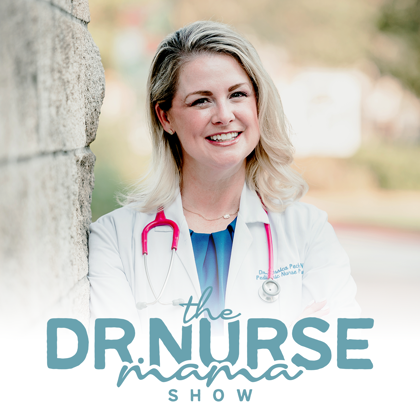
preborn.com/AFR hello and welcome to the Dr. Nursemama Show Prescribing Hope for Healthy Families here on American Family Radio. Here's your host, professor, pediatric nurse practitioner and mom of four, Dr. Jessica Peck.
Dr. Jessica Peck: Well, hey there friends and welcome to my favorite time of day, getting to spend time with you prescribing Hope for Healthy Families. And if we are honest, we're really honest with ourselves. We love the idea and the picture of the perfect family. And we feel more pressure than ever because of social media for our family to be perfect because we see everyone else's highlight real intuitively. We know it's the highlight reel. And yet we can't help but wonder, how can my family be like that Family we want mom and dad and kids and everybody under the same roof. We want the picture under the Christmas tree with a matching pajamas. All moms want that. I know dads are like, wait, what? We don't want that. But, they. We want to be going together to church on Sunday. We'd like to not be fighting in the car before we pull into the parking lot. We want to have that perfect family vacation where even the teenagers like being around the parents and everybody is getting along. It is a beautiful dream. But for many families, there is no there. That's not the reality. There is no perfect family, for sure. But we have families all across the board. We have single parents who are carrying the weight of parenting, who are feeling the pressures of providing for their family on their own. We have divorced parents who are trying to co parent while they're navigating a lot of really complicated family dynamics and emotions and schedules and relationships. We have blended families learning how to become family when everyone enters the relationship just carrying those different histories and expectations and maybe even past hurts that are not quite healed. We have foster families. We have adoptive families. We have families navigating special needs. We have families walking through crisis, families trying to figure out what. What faithfulness is when life really hasn't just turned out the way that they expected. And sometimes even unintentionally, the church can communicate that kind of ideal for a perfect family and make families who feel like they don't fit up to that idea. Where do we fit in here? But Scripture really gives us a much bigger picture of God's redemptive work. The gospel doesn't require us to pretend that that brokenness isn't real, that we don't live in a broken world. That brokenness isn't a reality of living in a world that is longing for our Savior to return. It just reminds us. The gospel reminds us that brokenness is not the end of the story and that redemption is not all on us. That, we don't have to come up with that redemption story in our own power. And today's guest, my guest today understands that not just as a ministry philosophy, but, but as a lived reality. We're talking today to Joe Dougharty He serves as the minister to single parent and blended families at Houston's First Baptist Church. Now, his ministry has been shaped by both his pastoral experience and his personal journey, which he'll share with us today. And Joe helps pastors and ministry leaders better understand today's families and help them develop practical ways to shepherd them through intentionally engaging with the church and discipleship and relational encouragement and spiritual, spiritual equipping to help strengthen their family. So today we're going to talk about not just what it means to minister to the family, the perfect family, what that looks like, but the families who are actually coming through the church door. Not just the families that we wish that we had, but the families we actually have. And whether you're a ministry leader, whether you are walking through this journey in a personal way, if you're not walking through that journey, you, I'm sure, know someone who is. We can all learn more about how to encourage them. We'll talk about what Joe seeing in real life ministry that boots on the ground perspective and what his own story has taught him about God's redemption and how churches can become places where families, even those families walking through difficult seasons don't simply feel welcomed, but they see, they feel equipped and encouraged. Joe, I'm so glad to have you here. Thank you so much for joining us today.
Joe Dougharty : Thank you for having me.
Joe Dougharty started ministering to blended families after his parents divorced
Dr. Jessica Peck: Well Joe, before we talk, you know, programs or you know, specific situations or ministry strategies, I just want to start with your story because as I said in the intro, your understanding of this comes from a personal place and I love that about God. So often when I see someone called to a position of ministry, it comes from their own personal path and it gives you an authenticity of lived experience. It gives you a different kind of empathy for people who are walking through something. So tell us about your testimony, your story, and how you got involved in ministering to blended families and single parents.
Joe Dougharty : Well, I think the story starts many years before I even knew anything about church or was connected in any way. Before I was a year old, my parents divorced. So I never had that understanding of what it would be like growing up with your parents together. you know, you have that hope growing up that something would happen and they would possibly end up back together and you'd have that perfect family that even as kids that we, we want, we desire, we hope for. but that wasn't what happened. My parents again, they divorced before I was a year old. I bounced from place, to place to place, living between multiple households. my mom a single parent, my dad a single parent, both, of them, becoming blended family sometimes, multiple of those throughout the years. And then there was my grandparents house. My grandparents house became the place of stability for me. My grandpa, specifically became kind of my safe place. he became my hero, the one that I could go to the One that I could depend on, the one constant that I knew would always be there. and eventually, I landed living with them. They ended up getting custody of me. So before I even knew it was a word, I was a part of a kinship family where my grandparents had, taken me in, they had legal custody that gave me stability and, a love and understanding that I really didn't understand or know. then later, my dad got remarried and his wife said that, I needed to live with him, that we were a family and that we couldn't be a family if we weren't all together. So I moved in with my dad and stepmom and stepbrothers. And that was a challenging time. my stepmother loved me, unconditionally and she made me feel loved. But there was still a lot of strain in that relationship. Stepbrothers, that really maybe didn't want a younger brother. It was, awkward for them, it was awkward for me. but we stepped into that. and then shortly after that, my grandpa, who was that stability, that constant, unexpectedly passed away. And that had a profound impact, on my life. As roughly an 8 year old at that point, he had been the thing that had been constant up until that point. And then the one thing that was constant was gone. Then, of course there were lots of, even more struggles in that. And as an adult, as I grew up actually, before that. But as a teenager, I came to Faith not because my family went to church, but simply because a youth pastor and four teenage girls had a visitation program. and they went through the neighborhood inviting people to church. And they came for four weeks in a row inviting me to go to church. and for four weeks I told them, sure, I'll be there. and then I didn't show up. The fifth week I was waiting on them and they didn't show up. and I felt like again there was some abandonment and I wanted to find out why they stopped coming. And I showed up to church on Wednesday and ended up giving my life to Christ. Completely changed, my life. So my Christian or upbringing was not a Christian background. It was, was a lot of struggle. and then as an adult, my goal was that I desperately wanted my family to be intact and I wanted them, to experience what it truly looked like for a family, that picture perfect family. that was what my goal was. And I was going to do everything that I could because that's what I desperately wanted. I wanted my Family to, be intact. I wanted my kids to grow up and not wonder where they were going to be or have to worry about splitting time and struggle with loyalty issues and all the things I had growing up. And it worked for a while. I was pastoring a church, and the church was growing. The church was, doing amazing things. And then I went through, a divorce. And all of a sudden I became a single parent. and I didn't know what that meant. I didn't understand it. I didn't understand the realities that I was going to be facing. and at the same time, my kids immediately became what I was trying to avoid. it really impacted me, more than I would let show. I, struggled with a lot of things, reliving basically my, childhood now as an adult, which was really scary.
Dr. Jessica Peck: Well, you know, Joe, when you. When you go through that, I can't imagine the heartbreak that you must have felt just because especially you said you were pastoring. And we almost. I say we, as in, like, church members. We almost put a, special level of expectation on a pastor like you. Like, we are all expected to be perfect, but you're expected to be a little more perfect than that. And there is brokenness that happens. And a lot of times that brokenness is out of your control. Many times that's what I see, you know, happening in families. And the things that happen are completely out of your control. How did that. That change you, and how did that impact your faith and your relationship with the Lord? Because I'm sure as your world was turning upside down, your spiritual life was no exception to that.
Joe Dougharty : It was, definitely a struggle because, in those moments, I was. I was still expected to shepherd, the church. every day there were people coming in my office that were struggling with life, struggling with relationships, struggling, even with their faith. And I spent hours upon hours sitting with people in my office and, you know, on the outside trying to appear strong, and yet on the inside going, man, I need someone to sit down and talk with. I need a shepherd myself. And, there wasn't one. there wasn't somebody there that was able to walk with me that understood what I was going through, that knew the right questions to ask or just simply knew to sit in the room and not say anything, but just to be there. so, it was really tough. I learned a lot about God's faithfulness and, that it wasn't dependent upon my life going according to the plan that I had for it. but simply trusting him in the unknown, the things that didn't make sense, the things I didn't understand truly, had to, be still and know that he was God and know that he was in control.
Joe has experienced generational brokenness and it changed his perspective on ministry
Dr. Jessica Peck: You know, Joe, I'm really. I'm really curious to know how it changed your perspective for ministry, because I think, you know, and I have experienced generational brokenness. And I think when I, you know, look at that through the lens of my faith, I think, okay, like, the lens of faith is we're going to fix that brokenness. Like, that's the whole ministry. We're going to fix it.
Dr. Jessica Peck: It.
Dr. Jessica Peck: And sometimes there's some brokenness that can't be fixed. This side of heaven certainly can't be fixed easily. And sometimes it's just a matter of walking faithfully with people who are actively experiencing that brokenness without an expectation of an instant fixing it. And we're already at our first break, which I cannot even believe. But that's where we're going to go when we come back. And you have just given us such a powerful reminder. There's so many encouraging things that we can take from your testimony. Joe, I'm so grateful for those, for the girls in the youth minister who had that outreach ministry. I think sometimes, you know, when people are. If, people are listening and they're in outreach ministry, sometimes you don't see the fruit of that right away, but know that God does not waste that effort. And I'm so grateful for the ministry that brought you to come to know Christ and that took you on a path of becoming a pastor and now having a platform of ministering to families and that brokenness. Because sometimes the. The places, the things in our lives that we would m Most like to erase, that sometimes maybe we think, oh, we would wish they didn't happen. Those places of brokenness are the very places that God uses most impactfully in our life. And I've talked with so many people who have shared that testimony. We'll be talking soon to, a friend of the show, Nick Vujicic, who talked about being born with no arms or legs, and yet being given a mission to be the hands and feet of God. So if you're listening, know that there is no brokenness that God does not honor, that he does not see that he cannot redeem and restore and renew. And this, when you. That brokenness doesn't disqualify you from God's grace, it opens a pathway to be with the Lord like you never have known before. So when we come back, we'll talk some more about what happens when. When we stop ministering to an idealized version of the family and start paying attention to the real family sitting in your pew. We'll be right back.
American Family Radio is listener supported and without supporters this podcast would not exist
Hello, I'm Jessica peck, host of Dr. Nursemama.
Dr. Jessica Peck: Did you know that this content is listener supported? Without people like you, this podcast would not exist. And that's why we need you. A generous monthly gift of any amount will help sustain American Family Radio, and specifically this podcast. Please consider becoming a monthly financial partner today by visiting afr.net/give that's afr.net/give
Still by Crowder and Zach Williams: Still got a couple problems never seem to solve them I keep thinking I'm letting you down still ain't making you proud still why am I trying? Spinning my, wheels up 100 mile hill sliding back down till I'm stuck here in a standstill but, oh, that's when I remember he's working on me still changing me piece by piece still making me better Gonna do his thing don't care how long it takes till All I know is I don't care if it's a little cliche to say that I'm a sinner saved by grace Cause I need more every day that's why he's working on me still welcome back, friends.
Dr. Jessica Peck: That is still by Crowder and Zach, Williams. And he is still working on us. We are not perfect. We are all on a journey of sanctification, of walking out our faith sometimes with fear and trembling. But if you walk into almost any church today, you're going to find a much more complicated picture of family than the ideal might. Might suggest. You're going to see single parents. You'll see divorced parents. You'll see children moving between two households. You'll see grandparents who are bringing their grandchildren or maybe even raising their grandchildren. You'll see step families are trying to establish new relationships and new roles. You'll see foster families, adoptive families. You'll see families navigating special needs, families that are carrying grief or conflict or financial pressure, custody issues, complicated history, incarcerated parents. The list goes on and on and on. And here's the good news. Those imperfect families, which we all are, they're not looking for a perfect church. They're looking for a church that's sees them, that will step into the middle of that messiness. Just like Jesus did with us when he came and he was with us. He stepped into the middle of our mess. And we're talking today to Joe Dougherty, who is the. The, The singles I'm sorry, the. The minister. What is your title? Joe, I'm going to get say it wrong. What is your title? Houston's first church. Tell me your title.
Joe Dougharty : Minister to single parents and blended families.
Dr. Jessica Peck: Single parents and blended family. See, I am not perfect myself, for sure. And he's just shared his personal testimony of walking this, experiencing this as a child, experiencing brokenness in his marriage as a pastor, and now serving to those families. So, Joe, how has your personal story, your testimony, the experiences that you just shared with us, how have those changed your perspective and meeting families where they are?
Joe Dougharty : I think one of the biggest things is, by the time that I went through a divorce, I had, been in ministry for a long time, and you see people sitting in the pews every Sunday. but after going through, a divorce and becoming a single parent, I began to notice things, that I hadn't before. began to notice that, you know, sometimes the single mom, you didn't catch it before, but that she only had her kids on the second and fourth Sunday. And then it started making sense. Well, now I know why they were only there on the second and fourth Sunday. then you saw the single dads that had their kids, and they were there on the 1st, 3rd and 5th Sunday, and it automatically began to make sense. But prior to that, even though I grew up in a divorced, with divorced parents, we weren't in church. So I never saw that aspect of it, as a kid, but yet I saw it every Sunday after I began to start looking for it. then when me, and Laura and my wife, met and got married, it completely shifted something else that I hadn't noticed before that, blended families in the church, their pew looked different every Sunday. one Sunday it may be just the parents, and the next week there were a whole bunch of kids. so it really changed just, the way that I began to look at the people that were in the church every Sunday. it kind of changed the way that I, understood them, the way that I spoke with them, because now I was, I had lived or were living, was living, currently living, exactly what they were going through. and it just kind of struck a different chord. I could see things, from a different lens that I hadn't really noticed before, wasn't that they weren't there. it was just I didn't notice the struggles that they were going through.
Dr. Jessica Peck: Well, now serving the. Those families through Houston's first. What are you seeing? What's Your boots on the ground perspective. What is the reality that we might be missing, other church members might be missing? You talked about, you know, your perspective shifting because of your personal experience. Do that for somebody who maybe hasn't had that lived personal experience. What do they need to see? What are you seeing? And how can we broaden and look and make sure that we're not having a narrow vision of those kinds of things.
Joe Dougharty : So I think a lot of it is that as a church we just don't understand, the reality that a single parent or a blended family, are living, our family, is rather unique, in the fact that we are a, blended family. We're a kinship family, we're a foster and adoptive family and a special needs family all wrapped into one.
Dr. Jessica Peck: Wow.
Joe Dougharty : And so our perspective, my wife and I's perspective is a little different than others because we're looking for things, even the setup of a classroom, it has to be inclusive and you've got to be prepared for that. You know, our daughter's in a wheelchair. Does a wheelchair fit in a room? there's things that you don't think about until you've walked in those shoes and you've had those struggles. So as a church we just don't completely understand the realities of a single parent or blended families. You know, a lot of times the toughest part of a Sunday is just getting out the door and getting everyone to church and them be dressed. as a single dad, that was one of the hardest things that I faced. And I lived in the church parking lot in the parsonage. I could get the kids dressed, but I did not know how to fix a little girl's hair. so we would struggle coming in, just to the church, and living in the parking lot. So getting people, single parents and blended families, special needs families to the church is a different reality than a, ah, traditional family. And you may not, you may look at that and go, well that doesn't make sense because you know, I have kids and it's hard for me to get my kids out the door.
Joe Dougharty : but a lot of times with single parents is they may have just came home from the other parents house where the rules were different and the traditions are different, the church is different, faith, is different. and then they're having to navigate that, trying to get the kid back aligned to what their routine is. or it could be that it's the weekend for A blended family to have all the kids and the kids are fighting all the way to church. and then there are loyalty issues with the parents and the kids and you just bring all that in. So there's a lot of realities, that we don't see. And one of the biggest ones is the fact that, the kids aren't there every other week, and it immediately makes people within the church wonder, why are they not committed? Why can't they show up every week, when, you know, in reality, especially when I would have been in church as a younger kid, as a teenager, when I started going to church, we used sticker ah charts that, you know, you kept track of the Sundays that you were there. And if you were in church four to six weeks in a row, you won a prize. Well, you know that that's an assumption that every family is traditional, nuclear and going to be there every Sunday. but that sets up children within the church for failure, because there's no way that they can do that. So it's just understanding that the realities are very different, and then not necessarily changing our, ministries or creating new ministries, but just really recognizing that that reality is different and being willing to adjust and meet those families where they're at.
Dr. Jessica Peck: Well, I love that you've described, you described two things you've seen. You've described some things that we just don't see because if you don't have that lived experience, you wouldn't think like that because you're not experiencing that. But you've also talked about things that we are seeing, maybe incorrectly, that we are misconceptions because of the lens of our own lived experience, like you just described, like, oh, why aren't they faithful? They're only coming, they only come, you know, every other week. But not realizing the dynamics that go behind that. And I think that's a good gut check for anybody who's a church member to look around and say, okay, what am I missing and what am I seeing? Maybe that is a misconception here. That's a really good kind of gut check. Just starting, place to go.
Children often find themselves caught in middle of complicated family dynamics in pediatric care
And one of the things that I experience, you know, in pediatric health care is I see these kids just like you do, Joe, in hm, the middle of really complicated family dynamics. And you described your own experience of that and the loss of, control, especially that children have. Children don't have control over, generally speaking, young children especially, they don't have control over who gets custody of them. If somebody's going to Bring them to church or not, or if their parents have a civil relationship or if they're fighting or those kinds of things. And it can be really hard and messy in health care to figure that out. And I'm sure it's the same thing in church. How do you step into the middle of that messiness? Because that's very, that's a very real thing that can be difficult for volunteers, for staff to navigate, for the kids to navigate. How do we create a soft landing place, especially for children who are, who are caught in the middle of that?
Joe Dougharty : That's an interesting side of it. because most of the time in churches, the people that will be ministering to, the parents are not the same that are going to be ministering to the kids, whether they're preschool children, teenagers, so it makes it a little complicated. what we have learned and what we do here at Houston's first is, for our single parent blended family ministry, we do a breakfast, on Sunday morning, we have a classroom that we set up with, breakfast burritos and donuts and fruit and coffee, and we have the whole family come together, to have breakfast. And then, they're able to connect with other single parents. they're able to connect with, the blended couples that have been the single parents and they're able to connect and bond and share stories. and then it's a great time, where our staff that are in the blended family ministry, single parent family ministry, we get to connect, with the kids during that time. We get to bond with the kids. There are kids that come through that, it's like it's not Sunday unless they can find me and give me a high five. You know, it's just little bitty things that you're, you're connecting with those kids and just giving them some consistent people, that may not be the ones teaching them, but that they're looking to engage them and being intentional about that. another thing that we do is that we do a family camp. And it's actually coming up in three weeks where we take the single parent blended families, away for a weekend away from the busyness of life. And it gives them an opportunity to connect as a family with a completely different
Dr. Jessica Peck: structure.
Joe Dougharty : for the weekend. You know, they don't have to worry about food, they don't have to worry about, even getting to camp. They show up and get on a bus and we take them there and they're there for a weekend, and they get to experience things that, they typically wouldn't get to experience. They get to do ropes course and swim and fish and, you know, all the fun things that you do at camp, but they get to do it with their mom or their dad, or both of them, the step parents. so you have to be really intentional about that. we try to engage people, intentionally, then encourage them relationally. And then once we do those two things, then we can start equipping, helping them, spiritually and disciple them and help them lead their families.
Dr. Jessica Peck: I love those approaches, the whole family approach and, and really just providing them two of the things that kids need most for resilience when they experience a difficult event like a divorce or some other family separation, because they need consistency and they need connection. And Joe, you've just described really beautifully how your church ministry is providing both of those things. And from a scientific lens, we know that are the main predictors of resilience and childhood. And so just that consistency of, hey, I'm going to find. What do they call you, Mr. Joe? Pastor Joe, what do they call you?
Joe Dougharty : It all depends on who it is that's talking to me. They use all of those.
Dr. Jessica Peck: Well, they're going to find you and give you a high five, and they're going to get that breakfast burrito. You had me at breakfast burrito, by the way. I'm a Texas girl at heart.
Joe Dougharty : Ah.
Dr. Jessica Peck: I think that's a great way to have that connection, to get to know the family so that we know, like, okay, this is, you know, this family is here. You know, these kids are going to be here these weeks, and they're not here that those weeks. And, helping them to really kind of seamlessly transition. Because that's got to be hard, too, even from a children's ministry lens, like, if you're doing a series, well, they're going to miss part of that. So what are ways that we can connect with them at home? So many things. You've got my brain spinning here. And so when we come back, we're coming up on our next break, we'll talk some more about some specific ministry strategies. And how do we go from just welcoming families into the church to equipping them? Joe, you've already given us a preview of that, of providing some consistency and connecting with them. And then we'll move to actually equipping them. Because there's a really big difference between having a ministry for people, for families, and then building relationships with people. That is a really different perspective sometimes it's not just a program that we have. It's that church member, that relationship that says, hey, I see you. I know this season is hard. You don't have to do this alone. We are so glad you're here. We have thought about you before you've come. These are the ways that we prepared our church to be able to meet you where you are in this specific season with these specific needs at this specific time. Families don't simply need information. They need community. They need encouragement. They need people who are willing to step into their situation with them and to help them find help and hope and healing and redemption. And so we're going to talk about that. How do we actually become that kind of community? What are the practical strategies that churches can use to bless families with support and relationships and spiritual equipping to build strong families? We'll be right back with Joe Daugherty,
Dr. Carl Trueman: Doctor Carl Trueman from the American Family Studios documentary the God who Speaks.
Sola scriptura means that everything the church ever says or does is checked
Typically, what sola scriptura, what scripture alone means, means for the reformers is this. We accept the church tradition as an authoritative statement of Christian faith and practice as long as it lines up with scripture. That's not the equivalent of the it's just me and my Bible attitude that we often find in evangelicalism today. It's we belong to a historic tradition, but we always need to check what the church is teaching in light of scripture. So scripture alone doesn't mean the only book I read is the Bible. Scripture alone means that the Bible is the ultimate principle by which everything the church ever says or does is to be checked. Visit thegodwhospeaks.org.
Mighty to Save by Michael W. Smith: Everyone needs compassion love that's never failing Let me, see fall on me Everyone needs forgiveness the kindness of a savior the hope of nation y Everyone m savior he can move the mountains Our God is mighty to save he is mighty to save forever Author of Salvation her rose and conquered the the grave Jesus conquer the grave.
Joe Dougherty is minister to single parents and blended families at Houston's First Baptist Church in Houston, Texas
Welcome back, friends.
Dr. Jessica Peck: That is mighty to Save by Michael W. Smith. And today we are talking with Joe Dougherty. He is the minister to single parents and blended families at Houston's First Baptist Church in Houston, Texas. And he has shared with us his own testimony of living through different seasons and different experiences, of experiencing divorce in his family, experiencing all kinds of different family structures that families might have. Being a single parent, being a blended family, being a foster parent, kinship parent, being adoptive parent, parent to special needs. And he is now living out that ministry. And he shared with us his own personal experience and challenged us to really look around to see the families that might be coming to our church and how we can best must meet their needs. Whether you're on staff or whether you're another member sitting in the pew, whether you're volunteering in the children's ministry or wherever you are, whatever you're doing, really just trying to create a welcoming environment because it's easy for a church to say, hey, yeah, we want to serve families, but do we really look at the reality of what families are facing today? And are you ready for the things that families can come with? What happens after they walk through the door? Do we really understand the reality of, what families look like today? And do we know what they're carrying? Do we have people who can walk alongside them? Do we have a ministry structure that actually accommodates what they need in that season of life? How do we equip them? Or do we just open the door and kind of expect everybody to figure it out from there when they walk in? And so, Joe, I know in your ministry you have focused on some really practical ways that churches can shepherd families through this intentional engagement, through relational encouragement, and through spiritual equipping.
For churches that are smaller, there are opportunities for intentional ministry
So, let's start here. Let's start and say, there's probably a lot of church leaders listening out there, or maybe even a church lay leader who's had it on their heart thinking, you know, I see some opportunities where our church can really lean into this and we can really grow this. But especially for churches that are maybe smaller and don't have as many resources or they just haven't seen started anything intentional in that way. Where do you even begin?
Joe Dougharty : So I think you begin simply, ah, at John 10:14, Jesus, says, I am the good Shepherd. I know my sheep, and my sheep know me. before we can do anything, we have to know who our sheep are. that's the biggest thing. And that only happens, when we spend time with them and we ask questions. We know their story, we understand, where their lives are at. We understand that their picture, of their family is not what they hoped for. A lot of times we, can have assumptions and we can have these preconceived, ideas of what things should look like, in a family, in the church, wherever that may be. but we really can't understand that until we get to know, the people that are there. And that's the great thing, is that you don't have to be a, staff member. You don't have to be a pastor or any other Ministry leader, to shepherd people. It's our job as Sunday, school teachers. we call them life Bible study classes because we want, our people to do life together. We want to build that community. And part of that is whoever the teachers are, the directors, the leaders within the class, they're the ones that are on the front lines really shepherding, the people that are there. They get to know their stories, they get to know their kids names and their kids birthdays, they get to know all those important dates and the struggles that they're facing. but they've done that because they've intentionally engaged with them. And then they began to encourage and connect with them relationally and they're, they're able to, move that relationship along, because they've been very, intentional. It's basically to, to see we have to understand where they're at and then we can shepherd. We can start doing the things that as a church we want to do. We want to see them grow. one of the things that I like to say is that a healthy ministry does not create dependence, it creates disciples. You know, a lot of times we think about a single parent family ministry. it's kind of like you said, if it's a small church and we don't have the resources, how do we do it? Well, it's not about the resources. It's about the relationships. The rest of it comes from there. because if we have the relationships, we've done the hard part. We've already engaged them and we've encouraged them, and then we can get to that equipping and that spiritual part of it, where we can disciple them, and then they in turn are going to disciple their kids. But that doesn't happen. if we don't spend that intentional time building those relationships.
Dr. Jessica Peck: that's good. Go ahead, go ahead, keep going.
Joe Dougharty : In a ministry position, it's harder to know all of the people that you're serving. but the ones that are in those classrooms that are shepherding on a smaller level, they get to know intimate things, that people in the class are willing to share because they're in a classroom with people who have walked a similar path. one of the stories that, was shared with me when I first got to Houston's first about why they even started a blended family ministry was about a couple that was getting married. they were getting married and they were encouraged to go to a newly, wed and close class to help them prepare for their wedding. then they were asked after the class how things went, and they were like, well, the class was great, but we won't be going back. And the question was, why? And it was because, it was a room full of younger people who had never been married before that were about to get married. And their only worries was whether or not their dogs would get along. This couple was, they were going through a heated custody battle with one of the, ex spouses, and they were, struggling, and how are the kids going to adjust and all these things? So they were living completely different realities. so when we know their stories and we understand them, we're able to come along and shepherd them and help prepare them, in a way that a lot of times we're not prepared for if we don't know what we're looking for.
Dr. Jessica Peck: That. That's a really good, practical picture. And, you know, one. One reality doesn't diminish the other. We have a need for young couples that are in that stage of life who are worried about their dogs getting along. But we have a need to meet families in the middle of the other situations, like you said, where they find themselves, especially in a situation they. They never wanted, they never anticipated, that, you know, a lot of times I just see families that feel blindsided by the things that come, or families who have never engaged with church before, and sometimes that brokenness drives them to seek a spiritual connection. And just over the weekend, Joe, I was speaking at a church association to equip church leaders, and, you know, had a line of people after one session that, that wanted to ask some questions. And this happens to me at nursing conferences, too, when I speak about issues like that are related to family health. People don't line up and ask about those questions from a professional lens, like, what do I do for my practice? They've got tears in their eyes, Joe, and they're asking about their own families. And that was one of the church leaders that I met this weekend. And she was a, grandmother who had just gotten custody of her grandson. Her child, that was the grandson's parent, had had some issues with substance abuse. And there were some really complicated dynamics going on there. And she just had tears in her eyes, and she was all in. She was praying for him. She was committed to bring him, but she needed some real equipping. She needed some tools to be able to meet him at that stage, at that moment. She needed some practical support and encouragement for herself, and she needed some guidance on how to best support him and get him plugged in. So what, what are those meaningful supports look like, Joe? Because it's one thing to, you know, put our hand on somebody's shoulder during the Sunday school hour and say, oh man, I'm sorry you're going through that. I'll pray for you. That's another thing. To show up at their house with a casserole or to volunteer to do respite care or give your kids a ride home. You know, when you're trying to get, you know, blended families and multiple school districts around, those tangible supports are really, really meaningful. What does that look like coming from a church?
Joe Dougharty : so this is one of the areas that gets really difficult because as a church as a whole, you know, we can't be the transportation and the child care and all of those things that a lot of times a single parent, especially a single mom, may really need. but they get that through, their biblical community, their small group, to where they're, we, again, we call it our life Bible study groups. And it's, it's people in the same seasons of life a lot of time. Like our single parent classes. Most, of them are in the same, season of parenting. And, there is a bond that they create from going through those similar situations, and they're able to step into it and they're able to be there and help transport and take care of kids and shuffle kids around. one of the things the church does is, the men's ministry does a car care, clinic, periodically throughout the year. and it's to serve widows and single moms. That's their whole thing. And, it's a practical thing, it's something simple. But the men help change oil and check tire pressures and fluids in the vehicles and all those things. but those are things a lot of times that a single mom doesn't know how to do or doesn't have the means, to do it. So there's lots of little practical things, that we can do. Along with the grandmother you were just mentioning, you know, that that was my story. My grandparents ended up with me. it's something that I, definitely didn't want to happen as a kid. I don't, didn't understand any of it then. But now we have a grandson that's living with us. So, you know, those things prepared me to be able to, be ready for it as an adult. And then there have been multiple times where me and my wife have been able to sit down with a couple, that are having to take a family member in and help them navigate what that looks like and the emotion and all those things. So a lot of times it's just being in that right community with people that have, have gone or are going through what you're going through. And then you build that close, knit relationship, to where you're able to walk and help them navigate through the things that they're struggling with.
Dr. Jessica Peck: Well, what you said is really encouraging. You really are describing just creating the environment to cultivate the relationships that then provide those tangible needs. It sounds almost organic. Although some of those are going to step forward formally. And I'm sure that was probably church members who stepped forward and said, hey, I'm good with cars, like, let me help here. And they use their gifting. That's a beautiful picture of the body of Christ.
How do we serve divorced families while preserving dignity of the families we serve?
And, and one of the things that I'm really sensitive about, Joe, is, you know, well, one of my pet peeves is that we just, in the church we refer to divorced families as broken homes. When there are homes that are broken by so many other things, broken by addiction and abuse and absence and generational trauma. I mean there's all kinds of brokenness that can happen there. But how do we give, offer help, offer encouragement without making people feel like they're a charity case, you know, like, like, oh, well, let, let, let me help you. How do we preserve dignity? Because it doesn't matter if you, if you're coming from a family that doesn't have brokenness. We all have needs that need to be met that can be met. But how can we do that while preserving the dignity of the families we're serving?
Joe Dougharty : I think a lot of it goes again back to Jon 10:14 that we know, we know our sheep, we've built a relationship with them and then they, they know us. when I went through, ah, a divorce, pastoring a church, man, our church was growing little, ah, small country church. We baptized almost 100 people, in one year. It was an amazing move. but the people saw that the pastor was hurt and broken and honest and vulnerable. it created this beautiful atmosphere where people didn't feel judged that they could come the way that they were, you know, truly. Like the, the old hymn says, just as I am, it creates that atmosphere. but at the same time, I had other people telling me, well, you know, Joe, you had such great potential, but now God can't use you. he was going to use you. To do great things. And now he's just done with you. And I think a lot of times that we unintentionally may share, that same message with someone who, had a kid before they were married, or, they got a divorce or they have a special needs kid, whatever it is. We say that their sin has now elevated it to a point that God, isn't going to be able to use them the way that he could. And that even the fear of that, even if it hasn't happened, becomes, a distance, a distraction, with those single parents and blended families, that they feel that they're more judged at the church than they are at the grocery store, which, is definitely opposite of what it should be. They should feel more connected to the church.
Dr. Jessica Peck: They should.
Dr. Jessica Peck: And I hate that we have to leave it here, but you have given us such a powerful picture of the redemptive work of Christ and doing that through your ministry. I want to thank you for all that you do to minister to those families and for giving us all kind of a gut check, a heart check, checking our minds to think, how can we serve the families that God has entrusted to us? Not the perfect family, but a present family. Wherever you are, whatever you do, I pray the Lord blesses you and keeps you. I'll see you tomorrow.
Preborn has rescued over 400,000 babies from abortion
We'd like to thank our sponsors, including PreBorn. PreBorn has rescued over 400, 000 babies from abortion. And every day their network clinics rescue 200 babies lives. Will you join PreBorn in loving and supporting young moms in crisis? Save a life today. Go to preborn.com/AFR the views and
Jeff Chamblee: opinions expressed in this broadcast may not necessarily reflect those of the American Family association or American Family Radio.
More than 80% of abortion vulnerable women choose life after seeing ultrasound
Dr. Jessica Peck: We would like to take a moment to thank our sponsor, PreBorn. When a mother meets her baby on ultrasound and hears their heartbeat, it's a divine connection. And the majority of the time she will choose life. But they can't do it without our help. Preborn needs us, the pro life community, to come alongside them. One ultrasound is just $28. To donate, dial pound 250 and say the keyword baby or visit preborn.com/AFR friend we're living in a defining moment. Today. A woman facing an unexpected pregnancy can order the abortion pill online, often before anyone has the chance to tell her she is loved, that she's not alone, or that there is hope. That's why you are needed right now. You were made for this moment. At PreBorn Network clinics, mothers are welcomed with compassion, practical support and a free ultrasound. And when she sees her baby and hears that tiny heartbeat for the very first time, fear often gives way to hope. In fact, more than 80% of abortion vulnerable women choose life after seeing their baby on an ultrasound at a PreBorn Network clinic. That one moment can save a baby's life and open a mother's heart to the hope of Jesus Christ. This is our moment to stand. For those who cannot speak for themselves. Just $28 provides one life saving ultrasound. $140 helps rescue five babies. Please don't wait. Dial pound 250 and say the keyword baby. Baby. That's pound 250 baby. If you're a business owner, would you consider a larger donation to claim a write off? Your best gift would be appreciated. A stand alone gift of $15,000 will sponsor an ultrasound machine for a needy clinic helping to save countless babies lives for years to come. All gifts are tax- deductible. Together we can save lives one heartbeat at a time.
Dr. Jessica Peck discusses what it means to minister to the family
preborn.com/AFR hello and welcome to the Dr. Nursemama Show Prescribing Hope for Healthy Families here on American Family Radio. Here's your host, professor, pediatric nurse practitioner and mom of four, Dr. Jessica Peck.
Dr. Jessica Peck: Well, hey there friends and welcome to my favorite time of day, getting to spend time with you prescribing Hope for Healthy Families. And if we are honest, we're really honest with ourselves. We love the idea and the picture of the perfect family. And we feel more pressure than ever because of social media for our family to be perfect because we see everyone else's highlight real intuitively. We know it's the highlight reel. And yet we can't help but wonder, how can my family be like that Family we want mom and dad and kids and everybody under the same roof. We want the picture under the Christmas tree with a matching pajamas. All moms want that. I know dads are like, wait, what? We don't want that. But, they. We want to be going together to church on Sunday. We'd like to not be fighting in the car before we pull into the parking lot. We want to have that perfect family vacation where even the teenagers like being around the parents and everybody is getting along. It is a beautiful dream. But for many families, there is no there. That's not the reality. There is no perfect family, for sure. But we have families all across the board. We have single parents who are carrying the weight of parenting, who are feeling the pressures of providing for their family on their own. We have divorced parents who are trying to co parent while they're navigating a lot of really complicated family dynamics and emotions and schedules and relationships. We have blended families learning how to become family when everyone enters the relationship just carrying those different histories and expectations and maybe even past hurts that are not quite healed. We have foster families. We have adoptive families. We have families navigating special needs. We have families walking through crisis, families trying to figure out what. What faithfulness is when life really hasn't just turned out the way that they expected. And sometimes even unintentionally, the church can communicate that kind of ideal for a perfect family and make families who feel like they don't fit up to that idea. Where do we fit in here? But Scripture really gives us a much bigger picture of God's redemptive work. The gospel doesn't require us to pretend that that brokenness isn't real, that we don't live in a broken world. That brokenness isn't a reality of living in a world that is longing for our Savior to return. It just reminds us. The gospel reminds us that brokenness is not the end of the story and that redemption is not all on us. That, we don't have to come up with that redemption story in our own power. And today's guest, my guest today understands that not just as a ministry philosophy, but, but as a lived reality. We're talking today to Joe Dougharty He serves as the minister to single parent and blended families at Houston's First Baptist Church. Now, his ministry has been shaped by both his pastoral experience and his personal journey, which he'll share with us today. And Joe helps pastors and ministry leaders better understand today's families and help them develop practical ways to shepherd them through intentionally engaging with the church and discipleship and relational encouragement and spiritual, spiritual equipping to help strengthen their family. So today we're going to talk about not just what it means to minister to the family, the perfect family, what that looks like, but the families who are actually coming through the church door. Not just the families that we wish that we had, but the families we actually have. And whether you're a ministry leader, whether you are walking through this journey in a personal way, if you're not walking through that journey, you, I'm sure, know someone who is. We can all learn more about how to encourage them. We'll talk about what Joe seeing in real life ministry that boots on the ground perspective and what his own story has taught him about God's redemption and how churches can become places where families, even those families walking through difficult seasons don't simply feel welcomed, but they see, they feel equipped and encouraged. Joe, I'm so glad to have you here. Thank you so much for joining us today.
Joe Dougharty : Thank you for having me.
Joe Dougharty started ministering to blended families after his parents divorced
Dr. Jessica Peck: Well Joe, before we talk, you know, programs or you know, specific situations or ministry strategies, I just want to start with your story because as I said in the intro, your understanding of this comes from a personal place and I love that about God. So often when I see someone called to a position of ministry, it comes from their own personal path and it gives you an authenticity of lived experience. It gives you a different kind of empathy for people who are walking through something. So tell us about your testimony, your story, and how you got involved in ministering to blended families and single parents.
Joe Dougharty : Well, I think the story starts many years before I even knew anything about church or was connected in any way. Before I was a year old, my parents divorced. So I never had that understanding of what it would be like growing up with your parents together. you know, you have that hope growing up that something would happen and they would possibly end up back together and you'd have that perfect family that even as kids that we, we want, we desire, we hope for. but that wasn't what happened. My parents again, they divorced before I was a year old. I bounced from place, to place to place, living between multiple households. my mom a single parent, my dad a single parent, both, of them, becoming blended family sometimes, multiple of those throughout the years. And then there was my grandparents house. My grandparents house became the place of stability for me. My grandpa, specifically became kind of my safe place. he became my hero, the one that I could go to the One that I could depend on, the one constant that I knew would always be there. and eventually, I landed living with them. They ended up getting custody of me. So before I even knew it was a word, I was a part of a kinship family where my grandparents had, taken me in, they had legal custody that gave me stability and, a love and understanding that I really didn't understand or know. then later, my dad got remarried and his wife said that, I needed to live with him, that we were a family and that we couldn't be a family if we weren't all together. So I moved in with my dad and stepmom and stepbrothers. And that was a challenging time. my stepmother loved me, unconditionally and she made me feel loved. But there was still a lot of strain in that relationship. Stepbrothers, that really maybe didn't want a younger brother. It was, awkward for them, it was awkward for me. but we stepped into that. and then shortly after that, my grandpa, who was that stability, that constant, unexpectedly passed away. And that had a profound impact, on my life. As roughly an 8 year old at that point, he had been the thing that had been constant up until that point. And then the one thing that was constant was gone. Then, of course there were lots of, even more struggles in that. And as an adult, as I grew up actually, before that. But as a teenager, I came to Faith not because my family went to church, but simply because a youth pastor and four teenage girls had a visitation program. and they went through the neighborhood inviting people to church. And they came for four weeks in a row inviting me to go to church. and for four weeks I told them, sure, I'll be there. and then I didn't show up. The fifth week I was waiting on them and they didn't show up. and I felt like again there was some abandonment and I wanted to find out why they stopped coming. And I showed up to church on Wednesday and ended up giving my life to Christ. Completely changed, my life. So my Christian or upbringing was not a Christian background. It was, was a lot of struggle. and then as an adult, my goal was that I desperately wanted my family to be intact and I wanted them, to experience what it truly looked like for a family, that picture perfect family. that was what my goal was. And I was going to do everything that I could because that's what I desperately wanted. I wanted my Family to, be intact. I wanted my kids to grow up and not wonder where they were going to be or have to worry about splitting time and struggle with loyalty issues and all the things I had growing up. And it worked for a while. I was pastoring a church, and the church was growing. The church was, doing amazing things. And then I went through, a divorce. And all of a sudden I became a single parent. and I didn't know what that meant. I didn't understand it. I didn't understand the realities that I was going to be facing. and at the same time, my kids immediately became what I was trying to avoid. it really impacted me, more than I would let show. I, struggled with a lot of things, reliving basically my, childhood now as an adult, which was really scary.
Dr. Jessica Peck: Well, you know, Joe, when you. When you go through that, I can't imagine the heartbreak that you must have felt just because especially you said you were pastoring. And we almost. I say we, as in, like, church members. We almost put a, special level of expectation on a pastor like you. Like, we are all expected to be perfect, but you're expected to be a little more perfect than that. And there is brokenness that happens. And a lot of times that brokenness is out of your control. Many times that's what I see, you know, happening in families. And the things that happen are completely out of your control. How did that. That change you, and how did that impact your faith and your relationship with the Lord? Because I'm sure as your world was turning upside down, your spiritual life was no exception to that.
Joe Dougharty : It was, definitely a struggle because, in those moments, I was. I was still expected to shepherd, the church. every day there were people coming in my office that were struggling with life, struggling with relationships, struggling, even with their faith. And I spent hours upon hours sitting with people in my office and, you know, on the outside trying to appear strong, and yet on the inside going, man, I need someone to sit down and talk with. I need a shepherd myself. And, there wasn't one. there wasn't somebody there that was able to walk with me that understood what I was going through, that knew the right questions to ask or just simply knew to sit in the room and not say anything, but just to be there. so, it was really tough. I learned a lot about God's faithfulness and, that it wasn't dependent upon my life going according to the plan that I had for it. but simply trusting him in the unknown, the things that didn't make sense, the things I didn't understand truly, had to, be still and know that he was God and know that he was in control.
Joe has experienced generational brokenness and it changed his perspective on ministry
Dr. Jessica Peck: You know, Joe, I'm really. I'm really curious to know how it changed your perspective for ministry, because I think, you know, and I have experienced generational brokenness. And I think when I, you know, look at that through the lens of my faith, I think, okay, like, the lens of faith is we're going to fix that brokenness. Like, that's the whole ministry. We're going to fix it.
Dr. Jessica Peck: It.
Dr. Jessica Peck: And sometimes there's some brokenness that can't be fixed. This side of heaven certainly can't be fixed easily. And sometimes it's just a matter of walking faithfully with people who are actively experiencing that brokenness without an expectation of an instant fixing it. And we're already at our first break, which I cannot even believe. But that's where we're going to go when we come back. And you have just given us such a powerful reminder. There's so many encouraging things that we can take from your testimony. Joe, I'm so grateful for those, for the girls in the youth minister who had that outreach ministry. I think sometimes, you know, when people are. If, people are listening and they're in outreach ministry, sometimes you don't see the fruit of that right away, but know that God does not waste that effort. And I'm so grateful for the ministry that brought you to come to know Christ and that took you on a path of becoming a pastor and now having a platform of ministering to families and that brokenness. Because sometimes the. The places, the things in our lives that we would m Most like to erase, that sometimes maybe we think, oh, we would wish they didn't happen. Those places of brokenness are the very places that God uses most impactfully in our life. And I've talked with so many people who have shared that testimony. We'll be talking soon to, a friend of the show, Nick Vujicic, who talked about being born with no arms or legs, and yet being given a mission to be the hands and feet of God. So if you're listening, know that there is no brokenness that God does not honor, that he does not see that he cannot redeem and restore and renew. And this, when you. That brokenness doesn't disqualify you from God's grace, it opens a pathway to be with the Lord like you never have known before. So when we come back, we'll talk some more about what happens when. When we stop ministering to an idealized version of the family and start paying attention to the real family sitting in your pew. We'll be right back.
American Family Radio is listener supported and without supporters this podcast would not exist
Hello, I'm Jessica peck, host of Dr. Nursemama.
Dr. Jessica Peck: Did you know that this content is listener supported? Without people like you, this podcast would not exist. And that's why we need you. A generous monthly gift of any amount will help sustain American Family Radio, and specifically this podcast. Please consider becoming a monthly financial partner today by visiting afr.net/give that's afr.net/give
Still by Crowder and Zach Williams: Still got a couple problems never seem to solve them I keep thinking I'm letting you down still ain't making you proud still why am I trying? Spinning my, wheels up 100 mile hill sliding back down till I'm stuck here in a standstill but, oh, that's when I remember he's working on me still changing me piece by piece still making me better Gonna do his thing don't care how long it takes till All I know is I don't care if it's a little cliche to say that I'm a sinner saved by grace Cause I need more every day that's why he's working on me still welcome back, friends.
Dr. Jessica Peck: That is still by Crowder and Zach, Williams. And he is still working on us. We are not perfect. We are all on a journey of sanctification, of walking out our faith sometimes with fear and trembling. But if you walk into almost any church today, you're going to find a much more complicated picture of family than the ideal might. Might suggest. You're going to see single parents. You'll see divorced parents. You'll see children moving between two households. You'll see grandparents who are bringing their grandchildren or maybe even raising their grandchildren. You'll see step families are trying to establish new relationships and new roles. You'll see foster families, adoptive families. You'll see families navigating special needs, families that are carrying grief or conflict or financial pressure, custody issues, complicated history, incarcerated parents. The list goes on and on and on. And here's the good news. Those imperfect families, which we all are, they're not looking for a perfect church. They're looking for a church that's sees them, that will step into the middle of that messiness. Just like Jesus did with us when he came and he was with us. He stepped into the middle of our mess. And we're talking today to Joe Dougherty, who is the. The, The singles I'm sorry, the. The minister. What is your title? Joe, I'm going to get say it wrong. What is your title? Houston's first church. Tell me your title.
Joe Dougharty : Minister to single parents and blended families.
Dr. Jessica Peck: Single parents and blended family. See, I am not perfect myself, for sure. And he's just shared his personal testimony of walking this, experiencing this as a child, experiencing brokenness in his marriage as a pastor, and now serving to those families. So, Joe, how has your personal story, your testimony, the experiences that you just shared with us, how have those changed your perspective and meeting families where they are?
Joe Dougharty : I think one of the biggest things is, by the time that I went through a divorce, I had, been in ministry for a long time, and you see people sitting in the pews every Sunday. but after going through, a divorce and becoming a single parent, I began to notice things, that I hadn't before. began to notice that, you know, sometimes the single mom, you didn't catch it before, but that she only had her kids on the second and fourth Sunday. And then it started making sense. Well, now I know why they were only there on the second and fourth Sunday. then you saw the single dads that had their kids, and they were there on the 1st, 3rd and 5th Sunday, and it automatically began to make sense. But prior to that, even though I grew up in a divorced, with divorced parents, we weren't in church. So I never saw that aspect of it, as a kid, but yet I saw it every Sunday after I began to start looking for it. then when me, and Laura and my wife, met and got married, it completely shifted something else that I hadn't noticed before that, blended families in the church, their pew looked different every Sunday. one Sunday it may be just the parents, and the next week there were a whole bunch of kids. so it really changed just, the way that I began to look at the people that were in the church every Sunday. it kind of changed the way that I, understood them, the way that I spoke with them, because now I was, I had lived or were living, was living, currently living, exactly what they were going through. and it just kind of struck a different chord. I could see things, from a different lens that I hadn't really noticed before, wasn't that they weren't there. it was just I didn't notice the struggles that they were going through.
Dr. Jessica Peck: Well, now serving the. Those families through Houston's first. What are you seeing? What's Your boots on the ground perspective. What is the reality that we might be missing, other church members might be missing? You talked about, you know, your perspective shifting because of your personal experience. Do that for somebody who maybe hasn't had that lived personal experience. What do they need to see? What are you seeing? And how can we broaden and look and make sure that we're not having a narrow vision of those kinds of things.
Joe Dougharty : So I think a lot of it is that as a church we just don't understand, the reality that a single parent or a blended family, are living, our family, is rather unique, in the fact that we are a, blended family. We're a kinship family, we're a foster and adoptive family and a special needs family all wrapped into one.
Dr. Jessica Peck: Wow.
Joe Dougharty : And so our perspective, my wife and I's perspective is a little different than others because we're looking for things, even the setup of a classroom, it has to be inclusive and you've got to be prepared for that. You know, our daughter's in a wheelchair. Does a wheelchair fit in a room? there's things that you don't think about until you've walked in those shoes and you've had those struggles. So as a church we just don't completely understand the realities of a single parent or blended families. You know, a lot of times the toughest part of a Sunday is just getting out the door and getting everyone to church and them be dressed. as a single dad, that was one of the hardest things that I faced. And I lived in the church parking lot in the parsonage. I could get the kids dressed, but I did not know how to fix a little girl's hair. so we would struggle coming in, just to the church, and living in the parking lot. So getting people, single parents and blended families, special needs families to the church is a different reality than a, ah, traditional family. And you may not, you may look at that and go, well that doesn't make sense because you know, I have kids and it's hard for me to get my kids out the door.
Joe Dougharty : but a lot of times with single parents is they may have just came home from the other parents house where the rules were different and the traditions are different, the church is different, faith, is different. and then they're having to navigate that, trying to get the kid back aligned to what their routine is. or it could be that it's the weekend for A blended family to have all the kids and the kids are fighting all the way to church. and then there are loyalty issues with the parents and the kids and you just bring all that in. So there's a lot of realities, that we don't see. And one of the biggest ones is the fact that, the kids aren't there every other week, and it immediately makes people within the church wonder, why are they not committed? Why can't they show up every week, when, you know, in reality, especially when I would have been in church as a younger kid, as a teenager, when I started going to church, we used sticker ah charts that, you know, you kept track of the Sundays that you were there. And if you were in church four to six weeks in a row, you won a prize. Well, you know that that's an assumption that every family is traditional, nuclear and going to be there every Sunday. but that sets up children within the church for failure, because there's no way that they can do that. So it's just understanding that the realities are very different, and then not necessarily changing our, ministries or creating new ministries, but just really recognizing that that reality is different and being willing to adjust and meet those families where they're at.
Dr. Jessica Peck: Well, I love that you've described, you described two things you've seen. You've described some things that we just don't see because if you don't have that lived experience, you wouldn't think like that because you're not experiencing that. But you've also talked about things that we are seeing, maybe incorrectly, that we are misconceptions because of the lens of our own lived experience, like you just described, like, oh, why aren't they faithful? They're only coming, they only come, you know, every other week. But not realizing the dynamics that go behind that. And I think that's a good gut check for anybody who's a church member to look around and say, okay, what am I missing and what am I seeing? Maybe that is a misconception here. That's a really good kind of gut check. Just starting, place to go.
Children often find themselves caught in middle of complicated family dynamics in pediatric care
And one of the things that I experience, you know, in pediatric health care is I see these kids just like you do, Joe, in hm, the middle of really complicated family dynamics. And you described your own experience of that and the loss of, control, especially that children have. Children don't have control over, generally speaking, young children especially, they don't have control over who gets custody of them. If somebody's going to Bring them to church or not, or if their parents have a civil relationship or if they're fighting or those kinds of things. And it can be really hard and messy in health care to figure that out. And I'm sure it's the same thing in church. How do you step into the middle of that messiness? Because that's very, that's a very real thing that can be difficult for volunteers, for staff to navigate, for the kids to navigate. How do we create a soft landing place, especially for children who are, who are caught in the middle of that?
Joe Dougharty : That's an interesting side of it. because most of the time in churches, the people that will be ministering to, the parents are not the same that are going to be ministering to the kids, whether they're preschool children, teenagers, so it makes it a little complicated. what we have learned and what we do here at Houston's first is, for our single parent blended family ministry, we do a breakfast, on Sunday morning, we have a classroom that we set up with, breakfast burritos and donuts and fruit and coffee, and we have the whole family come together, to have breakfast. And then, they're able to connect with other single parents. they're able to connect with, the blended couples that have been the single parents and they're able to connect and bond and share stories. and then it's a great time, where our staff that are in the blended family ministry, single parent family ministry, we get to connect, with the kids during that time. We get to bond with the kids. There are kids that come through that, it's like it's not Sunday unless they can find me and give me a high five. You know, it's just little bitty things that you're, you're connecting with those kids and just giving them some consistent people, that may not be the ones teaching them, but that they're looking to engage them and being intentional about that. another thing that we do is that we do a family camp. And it's actually coming up in three weeks where we take the single parent blended families, away for a weekend away from the busyness of life. And it gives them an opportunity to connect as a family with a completely different
Dr. Jessica Peck: structure.
Joe Dougharty : for the weekend. You know, they don't have to worry about food, they don't have to worry about, even getting to camp. They show up and get on a bus and we take them there and they're there for a weekend, and they get to experience things that, they typically wouldn't get to experience. They get to do ropes course and swim and fish and, you know, all the fun things that you do at camp, but they get to do it with their mom or their dad, or both of them, the step parents. so you have to be really intentional about that. we try to engage people, intentionally, then encourage them relationally. And then once we do those two things, then we can start equipping, helping them, spiritually and disciple them and help them lead their families.
Dr. Jessica Peck: I love those approaches, the whole family approach and, and really just providing them two of the things that kids need most for resilience when they experience a difficult event like a divorce or some other family separation, because they need consistency and they need connection. And Joe, you've just described really beautifully how your church ministry is providing both of those things. And from a scientific lens, we know that are the main predictors of resilience and childhood. And so just that consistency of, hey, I'm going to find. What do they call you, Mr. Joe? Pastor Joe, what do they call you?
Joe Dougharty : It all depends on who it is that's talking to me. They use all of those.
Dr. Jessica Peck: Well, they're going to find you and give you a high five, and they're going to get that breakfast burrito. You had me at breakfast burrito, by the way. I'm a Texas girl at heart.
Joe Dougharty : Ah.
Dr. Jessica Peck: I think that's a great way to have that connection, to get to know the family so that we know, like, okay, this is, you know, this family is here. You know, these kids are going to be here these weeks, and they're not here that those weeks. And, helping them to really kind of seamlessly transition. Because that's got to be hard, too, even from a children's ministry lens, like, if you're doing a series, well, they're going to miss part of that. So what are ways that we can connect with them at home? So many things. You've got my brain spinning here. And so when we come back, we're coming up on our next break, we'll talk some more about some specific ministry strategies. And how do we go from just welcoming families into the church to equipping them? Joe, you've already given us a preview of that, of providing some consistency and connecting with them. And then we'll move to actually equipping them. Because there's a really big difference between having a ministry for people, for families, and then building relationships with people. That is a really different perspective sometimes it's not just a program that we have. It's that church member, that relationship that says, hey, I see you. I know this season is hard. You don't have to do this alone. We are so glad you're here. We have thought about you before you've come. These are the ways that we prepared our church to be able to meet you where you are in this specific season with these specific needs at this specific time. Families don't simply need information. They need community. They need encouragement. They need people who are willing to step into their situation with them and to help them find help and hope and healing and redemption. And so we're going to talk about that. How do we actually become that kind of community? What are the practical strategies that churches can use to bless families with support and relationships and spiritual equipping to build strong families? We'll be right back with Joe Daugherty,
Dr. Carl Trueman: Doctor Carl Trueman from the American Family Studios documentary the God who Speaks.
Sola scriptura means that everything the church ever says or does is checked
Typically, what sola scriptura, what scripture alone means, means for the reformers is this. We accept the church tradition as an authoritative statement of Christian faith and practice as long as it lines up with scripture. That's not the equivalent of the it's just me and my Bible attitude that we often find in evangelicalism today. It's we belong to a historic tradition, but we always need to check what the church is teaching in light of scripture. So scripture alone doesn't mean the only book I read is the Bible. Scripture alone means that the Bible is the ultimate principle by which everything the church ever says or does is to be checked. Visit thegodwhospeaks.org.
Mighty to Save by Michael W. Smith: Everyone needs compassion love that's never failing Let me, see fall on me Everyone needs forgiveness the kindness of a savior the hope of nation y Everyone m savior he can move the mountains Our God is mighty to save he is mighty to save forever Author of Salvation her rose and conquered the the grave Jesus conquer the grave.
Joe Dougherty is minister to single parents and blended families at Houston's First Baptist Church in Houston, Texas
Welcome back, friends.
Dr. Jessica Peck: That is mighty to Save by Michael W. Smith. And today we are talking with Joe Dougherty. He is the minister to single parents and blended families at Houston's First Baptist Church in Houston, Texas. And he has shared with us his own testimony of living through different seasons and different experiences, of experiencing divorce in his family, experiencing all kinds of different family structures that families might have. Being a single parent, being a blended family, being a foster parent, kinship parent, being adoptive parent, parent to special needs. And he is now living out that ministry. And he shared with us his own personal experience and challenged us to really look around to see the families that might be coming to our church and how we can best must meet their needs. Whether you're on staff or whether you're another member sitting in the pew, whether you're volunteering in the children's ministry or wherever you are, whatever you're doing, really just trying to create a welcoming environment because it's easy for a church to say, hey, yeah, we want to serve families, but do we really look at the reality of what families are facing today? And are you ready for the things that families can come with? What happens after they walk through the door? Do we really understand the reality of, what families look like today? And do we know what they're carrying? Do we have people who can walk alongside them? Do we have a ministry structure that actually accommodates what they need in that season of life? How do we equip them? Or do we just open the door and kind of expect everybody to figure it out from there when they walk in? And so, Joe, I know in your ministry you have focused on some really practical ways that churches can shepherd families through this intentional engagement, through relational encouragement, and through spiritual equipping.
For churches that are smaller, there are opportunities for intentional ministry
So, let's start here. Let's start and say, there's probably a lot of church leaders listening out there, or maybe even a church lay leader who's had it on their heart thinking, you know, I see some opportunities where our church can really lean into this and we can really grow this. But especially for churches that are maybe smaller and don't have as many resources or they just haven't seen started anything intentional in that way. Where do you even begin?
Joe Dougharty : So I think you begin simply, ah, at John 10:14, Jesus, says, I am the good Shepherd. I know my sheep, and my sheep know me. before we can do anything, we have to know who our sheep are. that's the biggest thing. And that only happens, when we spend time with them and we ask questions. We know their story, we understand, where their lives are at. We understand that their picture, of their family is not what they hoped for. A lot of times we, can have assumptions and we can have these preconceived, ideas of what things should look like, in a family, in the church, wherever that may be. but we really can't understand that until we get to know, the people that are there. And that's the great thing, is that you don't have to be a, staff member. You don't have to be a pastor or any other Ministry leader, to shepherd people. It's our job as Sunday, school teachers. we call them life Bible study classes because we want, our people to do life together. We want to build that community. And part of that is whoever the teachers are, the directors, the leaders within the class, they're the ones that are on the front lines really shepherding, the people that are there. They get to know their stories, they get to know their kids names and their kids birthdays, they get to know all those important dates and the struggles that they're facing. but they've done that because they've intentionally engaged with them. And then they began to encourage and connect with them relationally and they're, they're able to, move that relationship along, because they've been very, intentional. It's basically to, to see we have to understand where they're at and then we can shepherd. We can start doing the things that as a church we want to do. We want to see them grow. one of the things that I like to say is that a healthy ministry does not create dependence, it creates disciples. You know, a lot of times we think about a single parent family ministry. it's kind of like you said, if it's a small church and we don't have the resources, how do we do it? Well, it's not about the resources. It's about the relationships. The rest of it comes from there. because if we have the relationships, we've done the hard part. We've already engaged them and we've encouraged them, and then we can get to that equipping and that spiritual part of it, where we can disciple them, and then they in turn are going to disciple their kids. But that doesn't happen. if we don't spend that intentional time building those relationships.
Dr. Jessica Peck: that's good. Go ahead, go ahead, keep going.
Joe Dougharty : In a ministry position, it's harder to know all of the people that you're serving. but the ones that are in those classrooms that are shepherding on a smaller level, they get to know intimate things, that people in the class are willing to share because they're in a classroom with people who have walked a similar path. one of the stories that, was shared with me when I first got to Houston's first about why they even started a blended family ministry was about a couple that was getting married. they were getting married and they were encouraged to go to a newly, wed and close class to help them prepare for their wedding. then they were asked after the class how things went, and they were like, well, the class was great, but we won't be going back. And the question was, why? And it was because, it was a room full of younger people who had never been married before that were about to get married. And their only worries was whether or not their dogs would get along. This couple was, they were going through a heated custody battle with one of the, ex spouses, and they were, struggling, and how are the kids going to adjust and all these things? So they were living completely different realities. so when we know their stories and we understand them, we're able to come along and shepherd them and help prepare them, in a way that a lot of times we're not prepared for if we don't know what we're looking for.
Dr. Jessica Peck: That. That's a really good, practical picture. And, you know, one. One reality doesn't diminish the other. We have a need for young couples that are in that stage of life who are worried about their dogs getting along. But we have a need to meet families in the middle of the other situations, like you said, where they find themselves, especially in a situation they. They never wanted, they never anticipated, that, you know, a lot of times I just see families that feel blindsided by the things that come, or families who have never engaged with church before, and sometimes that brokenness drives them to seek a spiritual connection. And just over the weekend, Joe, I was speaking at a church association to equip church leaders, and, you know, had a line of people after one session that, that wanted to ask some questions. And this happens to me at nursing conferences, too, when I speak about issues like that are related to family health. People don't line up and ask about those questions from a professional lens, like, what do I do for my practice? They've got tears in their eyes, Joe, and they're asking about their own families. And that was one of the church leaders that I met this weekend. And she was a, grandmother who had just gotten custody of her grandson. Her child, that was the grandson's parent, had had some issues with substance abuse. And there were some really complicated dynamics going on there. And she just had tears in her eyes, and she was all in. She was praying for him. She was committed to bring him, but she needed some real equipping. She needed some tools to be able to meet him at that stage, at that moment. She needed some practical support and encouragement for herself, and she needed some guidance on how to best support him and get him plugged in. So what, what are those meaningful supports look like, Joe? Because it's one thing to, you know, put our hand on somebody's shoulder during the Sunday school hour and say, oh man, I'm sorry you're going through that. I'll pray for you. That's another thing. To show up at their house with a casserole or to volunteer to do respite care or give your kids a ride home. You know, when you're trying to get, you know, blended families and multiple school districts around, those tangible supports are really, really meaningful. What does that look like coming from a church?
Joe Dougharty : so this is one of the areas that gets really difficult because as a church as a whole, you know, we can't be the transportation and the child care and all of those things that a lot of times a single parent, especially a single mom, may really need. but they get that through, their biblical community, their small group, to where they're, we, again, we call it our life Bible study groups. And it's, it's people in the same seasons of life a lot of time. Like our single parent classes. Most, of them are in the same, season of parenting. And, there is a bond that they create from going through those similar situations, and they're able to step into it and they're able to be there and help transport and take care of kids and shuffle kids around. one of the things the church does is, the men's ministry does a car care, clinic, periodically throughout the year. and it's to serve widows and single moms. That's their whole thing. And, it's a practical thing, it's something simple. But the men help change oil and check tire pressures and fluids in the vehicles and all those things. but those are things a lot of times that a single mom doesn't know how to do or doesn't have the means, to do it. So there's lots of little practical things, that we can do. Along with the grandmother you were just mentioning, you know, that that was my story. My grandparents ended up with me. it's something that I, definitely didn't want to happen as a kid. I don't, didn't understand any of it then. But now we have a grandson that's living with us. So, you know, those things prepared me to be able to, be ready for it as an adult. And then there have been multiple times where me and my wife have been able to sit down with a couple, that are having to take a family member in and help them navigate what that looks like and the emotion and all those things. So a lot of times it's just being in that right community with people that have, have gone or are going through what you're going through. And then you build that close, knit relationship, to where you're able to walk and help them navigate through the things that they're struggling with.
Dr. Jessica Peck: Well, what you said is really encouraging. You really are describing just creating the environment to cultivate the relationships that then provide those tangible needs. It sounds almost organic. Although some of those are going to step forward formally. And I'm sure that was probably church members who stepped forward and said, hey, I'm good with cars, like, let me help here. And they use their gifting. That's a beautiful picture of the body of Christ.
How do we serve divorced families while preserving dignity of the families we serve?
And, and one of the things that I'm really sensitive about, Joe, is, you know, well, one of my pet peeves is that we just, in the church we refer to divorced families as broken homes. When there are homes that are broken by so many other things, broken by addiction and abuse and absence and generational trauma. I mean there's all kinds of brokenness that can happen there. But how do we give, offer help, offer encouragement without making people feel like they're a charity case, you know, like, like, oh, well, let, let, let me help you. How do we preserve dignity? Because it doesn't matter if you, if you're coming from a family that doesn't have brokenness. We all have needs that need to be met that can be met. But how can we do that while preserving the dignity of the families we're serving?
Joe Dougharty : I think a lot of it goes again back to Jon 10:14 that we know, we know our sheep, we've built a relationship with them and then they, they know us. when I went through, ah, a divorce, pastoring a church, man, our church was growing little, ah, small country church. We baptized almost 100 people, in one year. It was an amazing move. but the people saw that the pastor was hurt and broken and honest and vulnerable. it created this beautiful atmosphere where people didn't feel judged that they could come the way that they were, you know, truly. Like the, the old hymn says, just as I am, it creates that atmosphere. but at the same time, I had other people telling me, well, you know, Joe, you had such great potential, but now God can't use you. he was going to use you. To do great things. And now he's just done with you. And I think a lot of times that we unintentionally may share, that same message with someone who, had a kid before they were married, or, they got a divorce or they have a special needs kid, whatever it is. We say that their sin has now elevated it to a point that God, isn't going to be able to use them the way that he could. And that even the fear of that, even if it hasn't happened, becomes, a distance, a distraction, with those single parents and blended families, that they feel that they're more judged at the church than they are at the grocery store, which, is definitely opposite of what it should be. They should feel more connected to the church.
Dr. Jessica Peck: They should.
Dr. Jessica Peck: And I hate that we have to leave it here, but you have given us such a powerful picture of the redemptive work of Christ and doing that through your ministry. I want to thank you for all that you do to minister to those families and for giving us all kind of a gut check, a heart check, checking our minds to think, how can we serve the families that God has entrusted to us? Not the perfect family, but a present family. Wherever you are, whatever you do, I pray the Lord blesses you and keeps you. I'll see you tomorrow.
Preborn has rescued over 400,000 babies from abortion
We'd like to thank our sponsors, including PreBorn. PreBorn has rescued over 400, 000 babies from abortion. And every day their network clinics rescue 200 babies lives. Will you join PreBorn in loving and supporting young moms in crisis? Save a life today. Go to preborn.com/AFR the views and
Jeff Chamblee: opinions expressed in this broadcast may not necessarily reflect those of the American Family association or American Family Radio.
Jessica talks with Joe Dougharty about the unexpected journey of single parenting and a blended family and the lessons he has learned along the way.
https://www.houstonsfirst.org/ministries/single-parent-blended-families
https://giving.preborn.com/preborn/checkout/afa?sc=43490GF2022&campaign=404750
Chapters:
(00:00) More than 80% of abortion vulnerable women choose life after seeing ultrasound
(01:47) Dr. Jessica Peck discusses what it means to minister to the family
(06:23) Joe Dougharty started ministering to blended families after his parents divorced
(14:27) Joe has experienced generational brokenness and it changed his perspective on ministry
(16:47) American Family Radio is listener supported and without supporters this podcast would not exist
(27:37) Children often find themselves caught in middle of complicated family dynamics in pediatric care
(34:20) Sola scriptura means that everything the church ever says or does is checked
(36:15) Joe Dougherty is minister to single parents and blended families at Houston's First Baptist Church in Houston, Texas
(38:08) For churches that are smaller, there are opportunities for intentional ministry
(48:02) How do we serve divorced families while preserving dignity of the families we serve?
(51:19) Preborn has rescued over 400,000 babies from abortion
 Live
Live
Did you know American Family Radio is listener-supported? Your monthly financial support will allow us to continue upholding Godly values through our numerous channels, like American Family Radio, One Million Moms, The Stand magazine, and many more.
Become a Great Commission Partner TODAY to help AFR transform culture by rebuilding the family. When you donate today, you’ll get access to: